If you have set up a CCTV system and are experiencing problems, you are not alone. Numerous homes and services face issues such as fuzzy images, electronic cameras not displaying video, or fighting with blind areas after setup. Addressing these typical CCTV setup problems rapidly can keep your security system operating at its best and protect your property.
Understanding the usual issues and knowing how to fix them will help you get the most from your CCTV system. Easy checks like ensuring video camera placement is appropriate and connections are safe can fix lots of problems before they become larger problems.
Choosing the best video cameras for your needs and making sure cable televisions, power products, and settings are all properly established from the start assists prevent trouble later. With the appropriate method, you can keep your CCTV running efficiently and ensure you have the security protection you need.
Key Considerations
Choosing the best CCTV system implies believing thoroughly about costs, features, and possible issues. Each element can affect your security and the long-term value you obtain from your installation.
What Impacts the Cost or Decision?
Several primary factors will affect just how much you invest in a CCTV system:
- Type of Camera: Fundamental analogue electronic cameras are cheaper than high-definition (HD) or IP cameras. Wireless cams might cost more at first, however can save money on installation. Number of Cameras: The more video cameras you set up, the higher your total cost from equipment and labour. Location: Outside cameras need to be more robust and weather-resistant, raising prices. Hard-to-reach areas, such as high walls or ceilings, increase labour costs. Installation Complexity: If your site has barriers, like thick walls or numerous floorings, installation will take longer and may require additional materials. Recording and Storage Options: Selecting cloud storage or higher-capacity DVRs/NVRs often raises the price.
Consider making an easy table to track your options:
Factor Effect on Cost Camera type Low/ Medium/High Number of cameras Increases cost Outdoor installation Increases cost Storage option Increases costFeatures and Benefits
Modern CCTV systems provide a series of helpful features. Secret advantages include:
Remote Viewing: You can enjoy video camera feeds upon your phone or computer system. This helps you monitor your home when you are away. HD or 4K Video: Higher resolution makes it easier to see details, such as faces or automobile number plates. Night Vision: Numerous cameras included infrared LEDs, letting you see plainly in low light or complete darkness. Motion Detection: Video cameras can signal you if they discover movement, assisting you react faster to suspicious activity. Cloud Storage: Footage is uploaded to secure servers. This can assist keep recordings safe even if the camera is harmed or stolen.Choosing the right features makes your system more effective and much easier to use.
Common Obstacles or Considerations
You may face some obstacles when establishing a CCTV system:
- DIY vs. Expert Installation: Doing it yourself may save cash, however mistakes can result in poor coverage or defective connections. Specialists guarantee proper setup, however you pay more for their expertise. Camera Positioning: Poor positioning can leave blind spots or trigger glare from lighting. Inspect video camera angles and test positions before last fitting. Budget Systems vs. Premium Systems: Lower-cost cams may have limited features or lower construct quality. Higher-end systems cost more but tend to last longer and use much better support. Network and Power Issues: Losing power or network can cause electronic cameras to stop working. Battery-backup and steady web are important. Maintenance: Dust, weather condition, or technical faults can affect efficiency in time. Regular checks are required to keep everything running smoothly.
Think through these points before purchasing or installing to avoid typical errors and to get the very best outcomes for your needs.
Price Estimates or Options
You have numerous choices when it concerns CCTV installation, each with its own cost range. Costs can differ based on the number of cameras, the type of system, View website and whether you choose professional installation or a DIY approach.
A standard, four-camera wired CCTV system installed by an expert typically begins with around ₤ 800 + VAT Larger or advanced systems with features like night vision, remote access, or motion detection will cost more.
DIY installation can save on labour expenses. Entry-level home kits with 2 cams may cost between ₤ 150 and ₤ 350, however you will need to manage setup and maintenance yourself.
Typical rate examples:
System Type Cameras Estimated Cost Professional Install Basic wired system 4 ₤ 800+ (plus barrel) Yes Wireless home kit 2 ₤ 150-- ₤ 350 Optional Advanced business system 8+ ₤ 1,500-- ₤ 4,000+ YesAdditional features like cloud storage, greater resolution, or wise notifies can increase the cost.
When choosing, consider your residential or commercial property's size and your particular needs. Comparing quotes from trusted installers can assist you discover the very best option within your budget.
How to Troubleshoot Common CCTV Setup Issues
Progress with CCTV installation can slow down if you come across issues like bad picture quality, video cameras not taping, or system mistakes. Identifying the problem early and following a logical troubleshooting process can assist bring back complete performance quickly.
Step-by-Step Guide or How-To
Start by making sure every cam has power. If a cam is not onscreen, examine that the power lead is connected and the socket is working. Attempt plugging the cam into another socket to see if it changes back on.
Look at all cable and network connections. Loose or broken cables are a regular problem. Make sure all plugs are secure and cable televisions are not torn or bent dramatically. For network electronic cameras, verify your internet connection is stable.
If video quality is bad or image is fuzzy, clean the camera lens using a soft fabric. Likewise, check that the video camera is not facing direct light, as this can cause glare. Adjust the camera angle or place if needed.
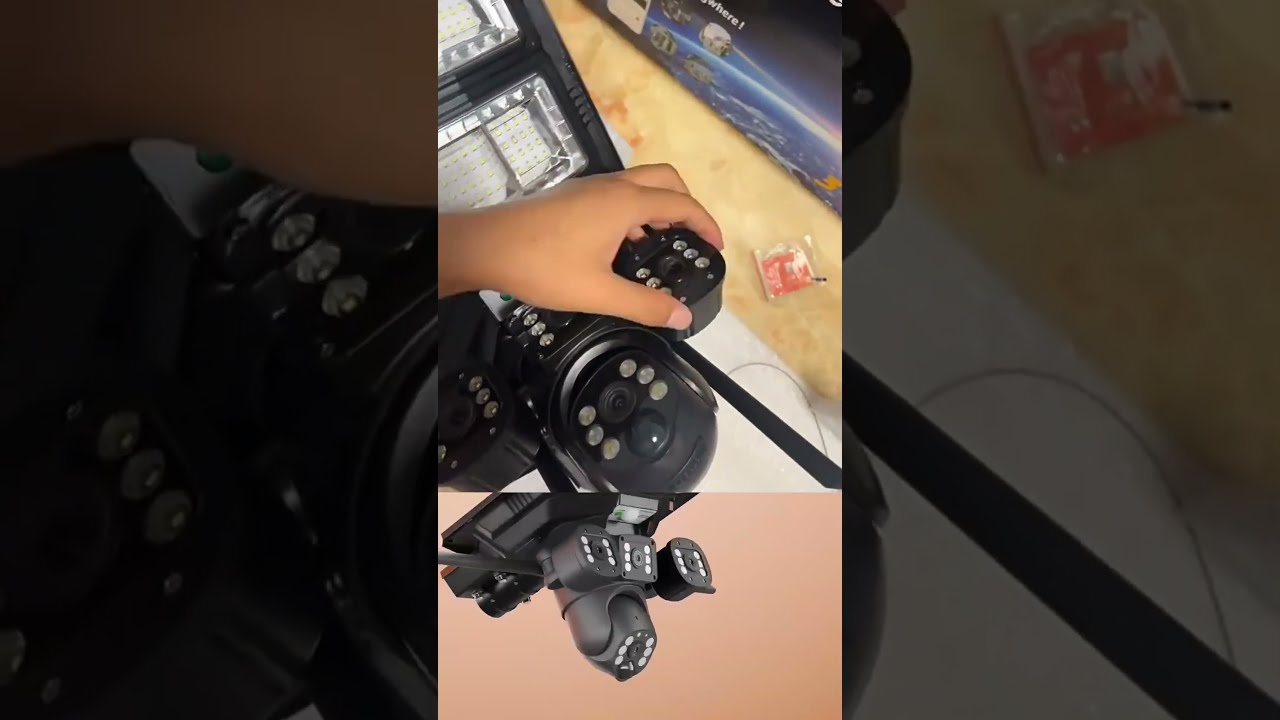
For electronic cameras not taping, examine your recorder's disk drive and recording settings. Make sure there suffices storage and that movement detection or tape-recording schedules are set up correctly. Update your system's firmware if it runs out date.
Expert Tips or Finest Practices
Label all cables-- This will save time if you require to trace an issue. Use tags or colour-coded tape for simple identification.
Keep your system updated-- Check for software or firmware updates regularly to prevent bugs and include helpful features. Numerous faults are fixed by a basic update.
Position cams carefully-- Mount video cameras at the ideal height and angle for the location you want to keep track of. Avoid severe heights and areas with insufficient lighting as these result in blind spots.
Maintain clear records-- Take down when you last inspected or cleaned your system. Routine checks help spot faults early.
If significant issues continue, utilize a troubleshooting list or consider calling a professional installer. This helps prevent further damage and saves valuable time in urgent situations.
Conclusion
Addressing common CCTV issues can protect your investment and improve your general security.
Taking simple actions like checking power connections, ensuring camera placement is proper, and using high-quality cables can avoid numerous problems. Frequently cleaning up lenses and validating electronic camera angles will help maintain clear footage.
If you deal with concerns such as blurry images, no signal, or recording failures, begin with these basic checks:
- Confirm the camera's power supply. Inspect all cable television connections. Review video recorder settings. Test for disturbance or bad lighting.
It is best to consult an expert if problems continue, especially for complex systems or wiring.
Professional installers can assist with:
Issue Professional Solution Blurry or rough footage Lens change, much better wiring No power or signal Electrical checks, rewiring Night vision not working Infrared LED inspection Camera not recording Recorder configuration reviewTaking routine care of your CCTV and immediately repairing problems assists secure your residential or commercial property and guarantees the system works as it should.
For expert assistance, consider getting in touch with a certified CCTV installer or requesting a quote. An expert can evaluate your unique needs and make certain your system stays reputable and effective.
Frequently Asked Questions
CCTV systems sometimes develop problems that can impact your security coverage. Addressing these issues rapidly assists keep your system trustworthy and effective.
Why may one of my CCTV electronic cameras stop working?
There are a number of reasons a CCTV camera might stop working. The power supply might be detached or defective. Loose cables, malfunctioning connections, or network concerns can likewise trigger electronic cameras to fail.
Physical damage or water ingress might prevent the cam from operating. In some cases, cam settings or incorrect configurations are to blame.
What actions can be taken to resolve flickering issues with CCTV footage?
Start by checking the power supply. Unsteady or low-grade power can make the photo flicker. Make sure the cable televisions are in good condition and strongly connected.
Adjust the cam's settings, specifically if the concern happens just at certain times of day. Excessive lighting or interference from close-by electronic devices may also trigger flickering.
How can video loss in CCTV electronic cameras be fixed?
Check the video camera's power source initially. Replace or re-plug any faulty power adaptors or leads.
Inspect all cable connections to make sure they are secure and not harmed. If utilizing a network camera, verify your network is working and the proper IP address is set.
What should be done when a CCTV video camera shows a black screen?
If your cam is showing a black screen, validate it is receiving power. Check the video cable television and replace it if needed.
Check the electronic camera's lens and make certain it is not covered or obstructed. Change the settings or reboot the system if the problem continues.
Why are the LEDs on my video camera lit, however there is no video feed?
LEDs turning on recommend the camera is receiving power. However, a lack of video signal frequently indicates a cable or connection issue.
Inspect the video cable television for damage. If the cables look good, check the video camera with a different display or tape-recording device to see if the problem is with the display.
What basic troubleshooting actions must be followed for a CCTV system?
Always begin by examining the power and cables. Ensure all connections are tight and devoid of damage.
Reset the system and inspect video camera settings. If the problems persist, check the cam on another channel or with different equipment.
Regular maintenance, like cleaning up lenses and checking cable televisions, can help avoid many typical issues.